
6 European submarine cables to watch in 2026

Sample Image

Ensuring European connectivity resilience

Subsea resilience and uptime has always been a priority for the connectivity industry, but events in recent years have brought this to the forefront even more, with new risks and threats - geological, military and political - complicating the task of keeping data flowing to global markets. 

While developing better methods to protect cables from damage helps, the most effective method is to have as dense and redundant a network as possible. For the European market, there are several exciting submarine cable projects due to come on stream in and around 2026 - Capacity Europe profiles six of them here.

Set Europe's subsea future at Capacity Europe 2026

Capacity Europe submarine cable

GlobalConnect’s Baltic Subsea Ring

GlobalConnect Baltic Ring

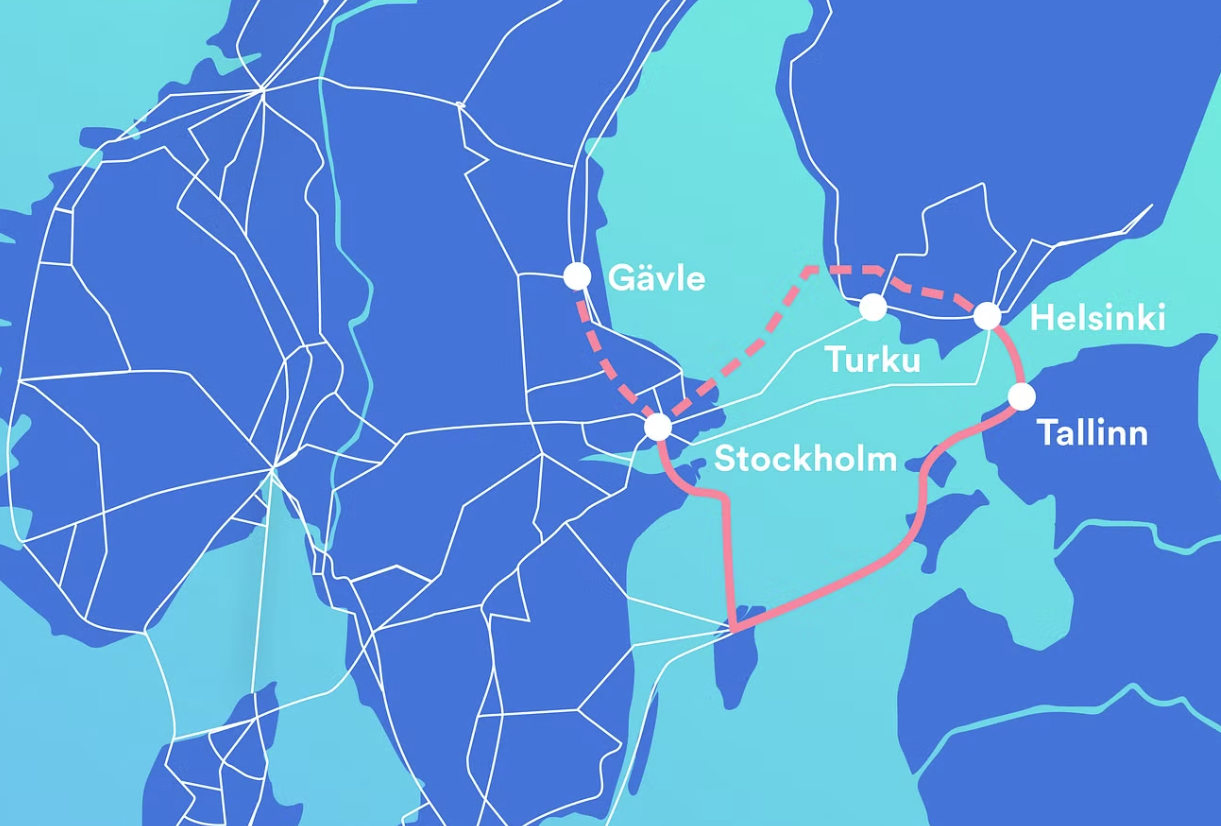
A big build is coming to northern Europe in 2026, where GlobalConnect will lay four subsea cables connecting Sweden, Estonia and Finland. 300km of cables will be built between Gotland in Sweden and Tallinn, via the Estonian islands of Saaremaa and Hiiumaa, with a further extension across the Baltic Sea to Helsinki.

This is in addition to a new route between Stockholm and southern Finland, complementing the company’s existing Baltic Sea connection between the two countries (the company confirmed in a LinkedIn post that the existing Sweden-Finland cable along the route will continue to operate).

GlobalConnect secured €15m of the project’s €40m total cost via the Connecting Europe Facility, an EU-managed funding instrument focused on infrastructure development.

Image credit: GlobalConnect

Medusa

Asia-Africa-Europe 2

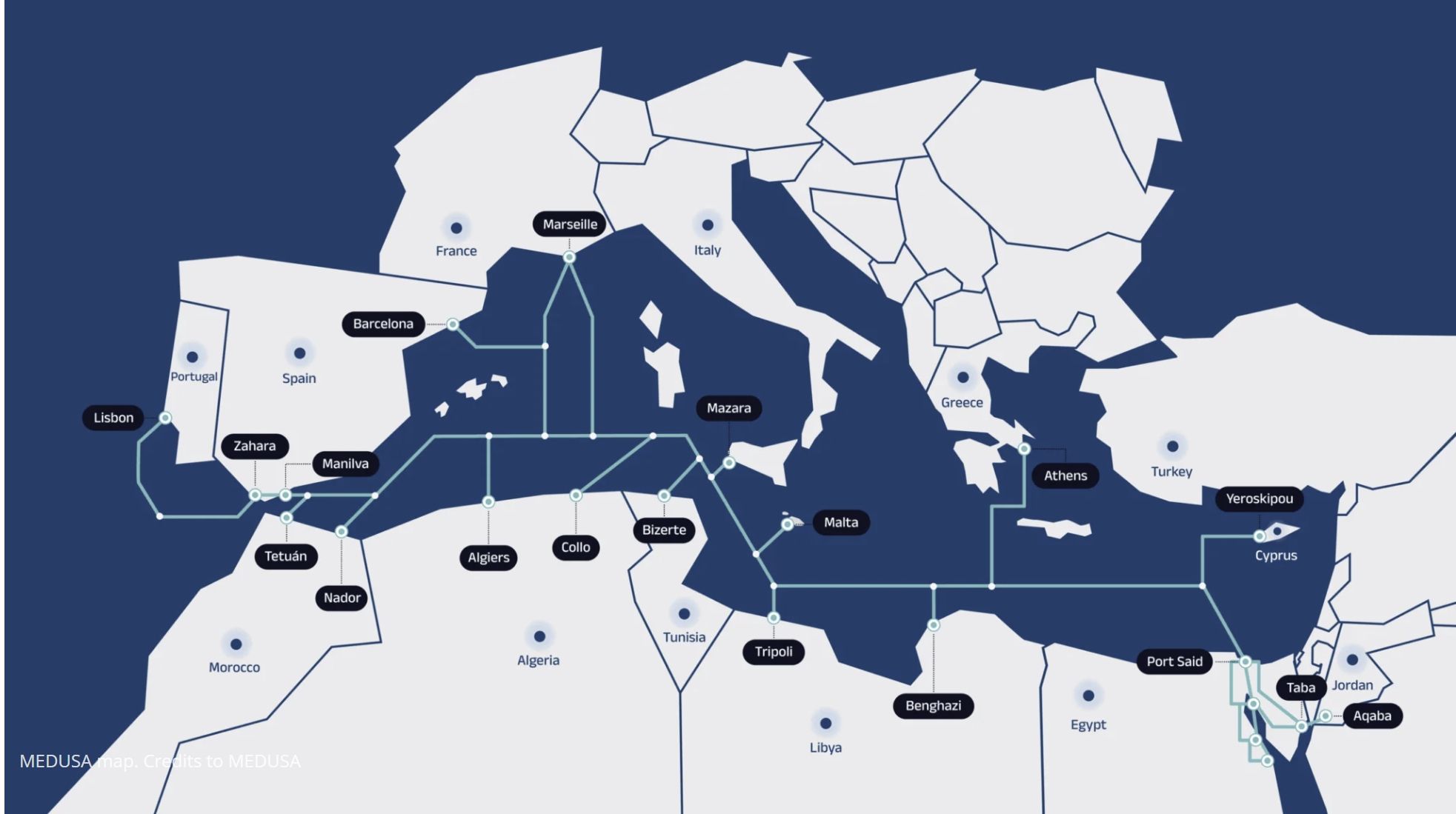
Linking the Mediterranean and the Red Sea, Medusa is an open access cable connecting 21 landing points across 13 countries, with 24 fibre pairs covering 8,700 km.

Reflecting its importance in providing resilience to European connectivity and improving links to other markets, Medusa is another European cable project co-funded by the European Union’s Connecting Europe Facility.

As of December 2025, Medusa had landed in Nador in Morocco, with completion and full operation expected for 2026.

Image credit: AFR-IX via submarinenetworks.com

SEA-ME-WE 6

SEA-ME-WE 6One of the most anticipated submarine builds in the European connectivity market is SEA-ME-WE 6, the latest iteration of the long-running South East Asia–Middle East–Western Europe cable series first established with a 1984 MoA.
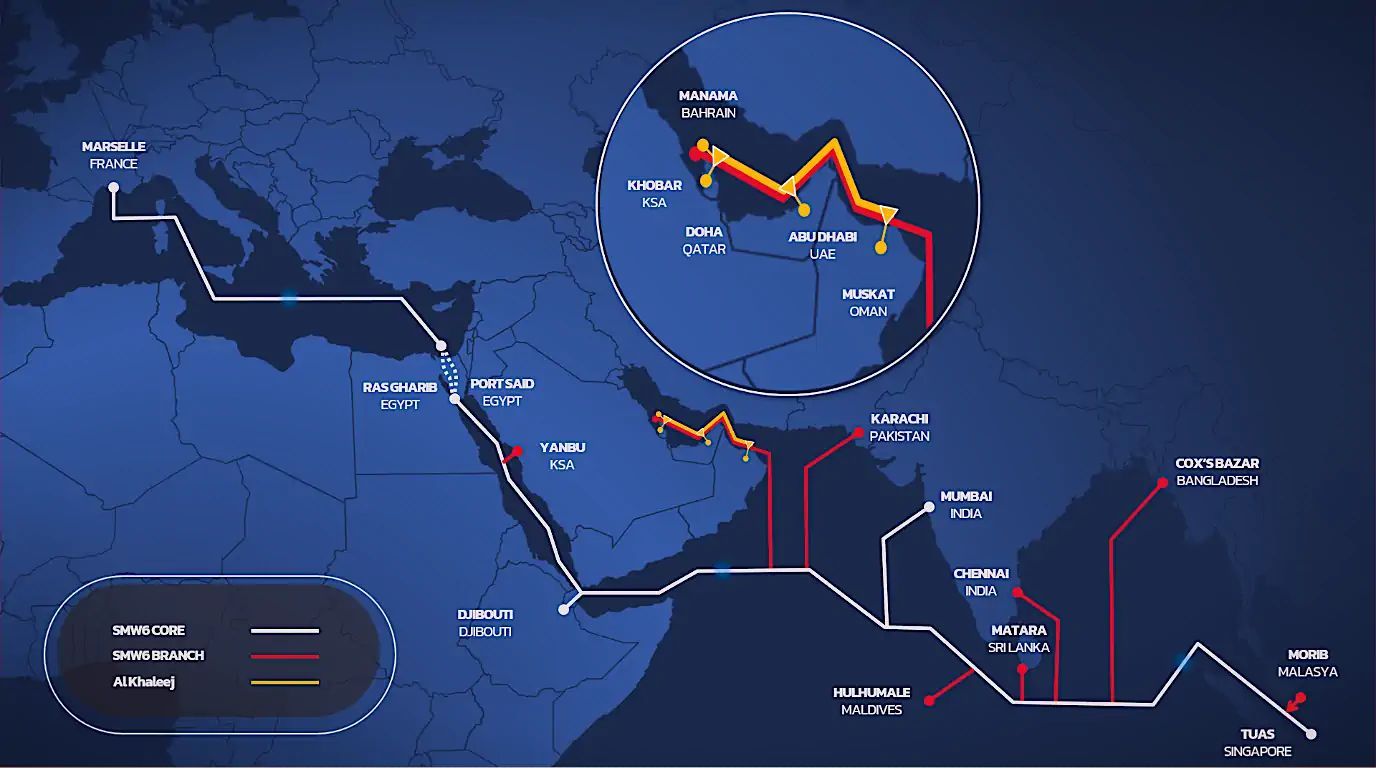
Like its predecessors, the sixth edition of the cable will span 19,200 km between Singapore and Marseilles, carrying up to 126 Tbps of traffic across ten fibre pairs when lit. As well as its two endpoints, the cable will also land in Malaysia, Bangladesh, Sri Lanka, the Maldives, two locations in India, Pakistan, Djibouti, Saudi Arabia and Egypt, with an additional branch, Al Khaleej, running from the USA to Bahrain, Oman and Qatar. The cable will enter service in 2026. 

Image credit: SMW6 Consortium via submarinenetworks.com

2Africa

Africa-1

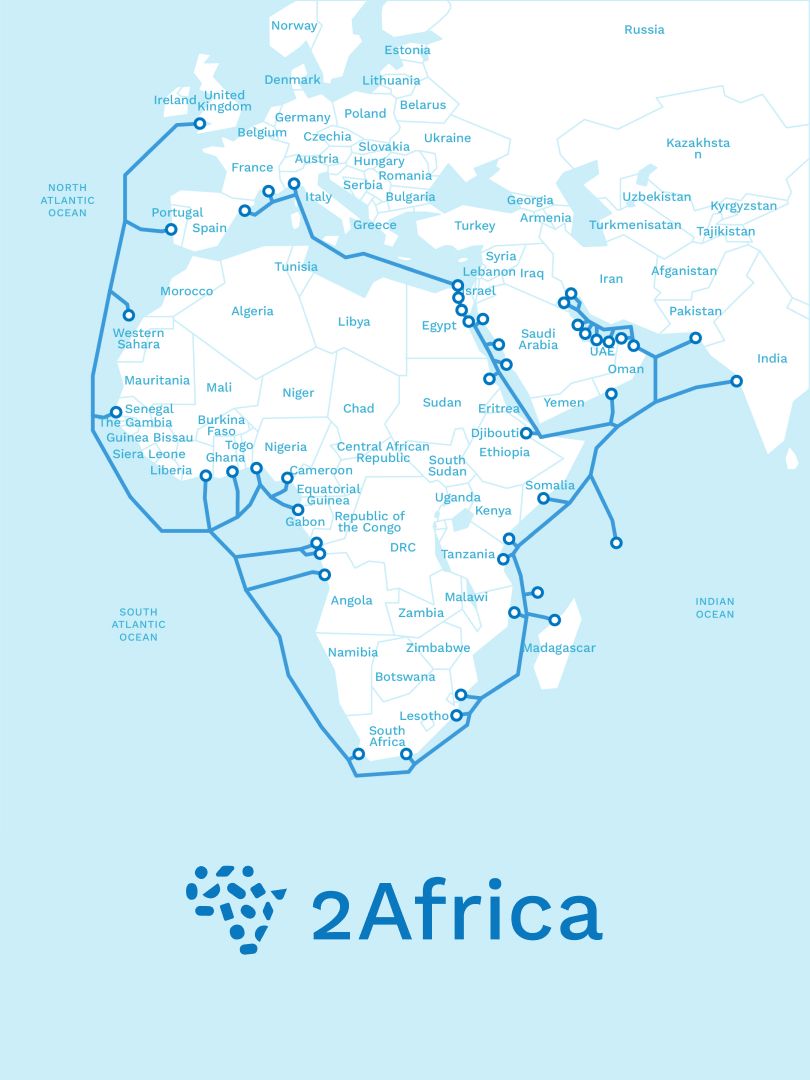
At approximately 45,000 km, Meta’s 2Africa is by far the longest subsea system under development. Circling the African continent and touching Europe and Asia with connections in more than 30 countries, offering 128Tbps of capacity. While the primary aim of the build was to improve connectivity to and within Africa, from a European perspective the system also offers a new, high-capacity connection to various markets.

The core system of the project was completed in November 2025, with the Pearls extension in the Middle East due to complete in 2026. 35 offshore vessels were used on the project, which makes use of spatial division multiplexing technology (transmitting multiple independent data streams across a single fibre) and undersea optical wavelength switching.

Image credit: 2Africa

Africa-1

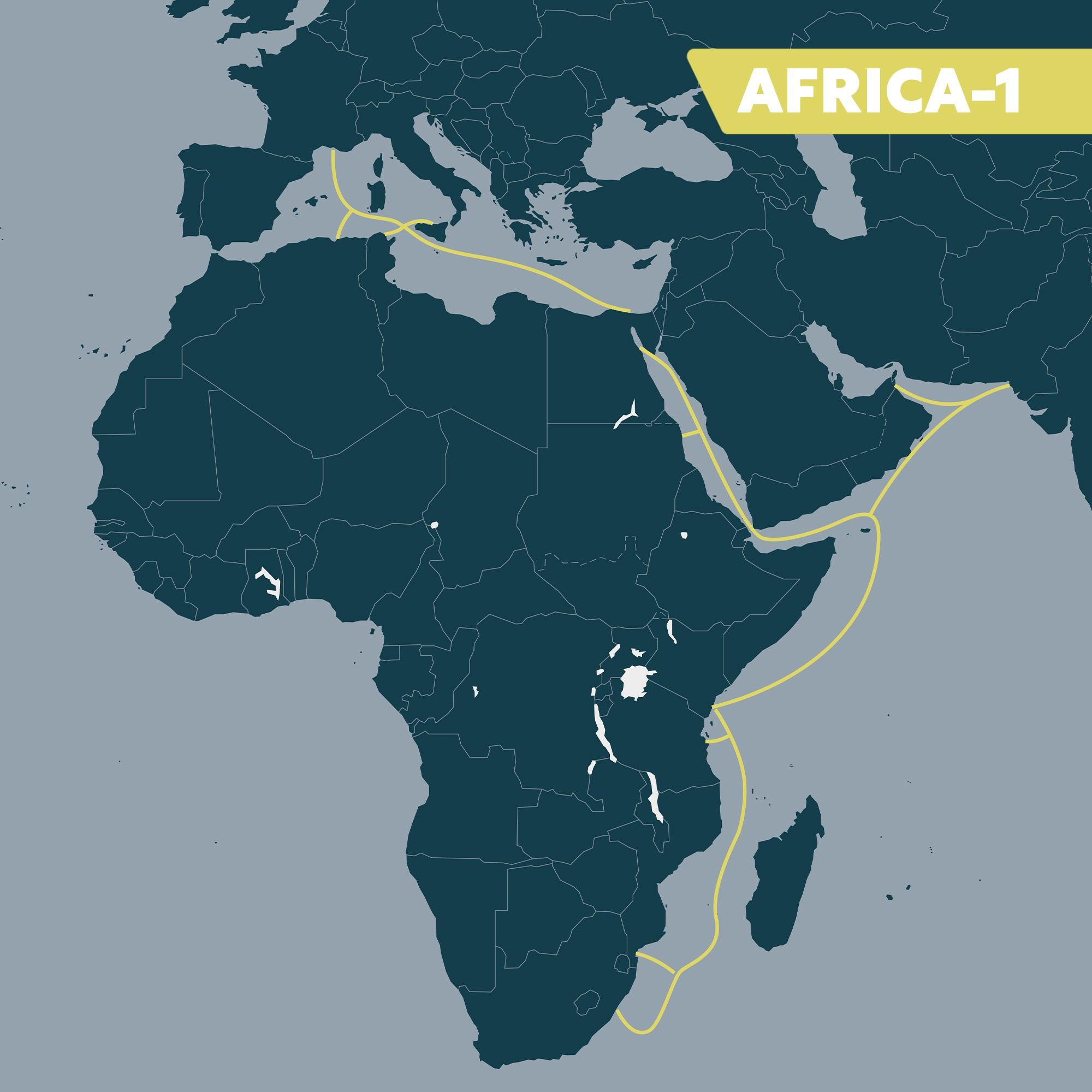
Africa-1Announced in 2021, the 10,000 km Africa-1 system is another Africa-focused cable with a French landing point to connect to the European market. Expected to enter full service in 2026, Africa-1 connects France with Egypt, Saudi Arabia, Yemen, Djibouti, the UAE, Pakistan, Somaliland and Kenya across eight fibre pairs. Total design capacity is 96 Tbps, and since late 2024 landings have been made in Ras Ghareb, Karachi and Duba in Saudi Arabia.
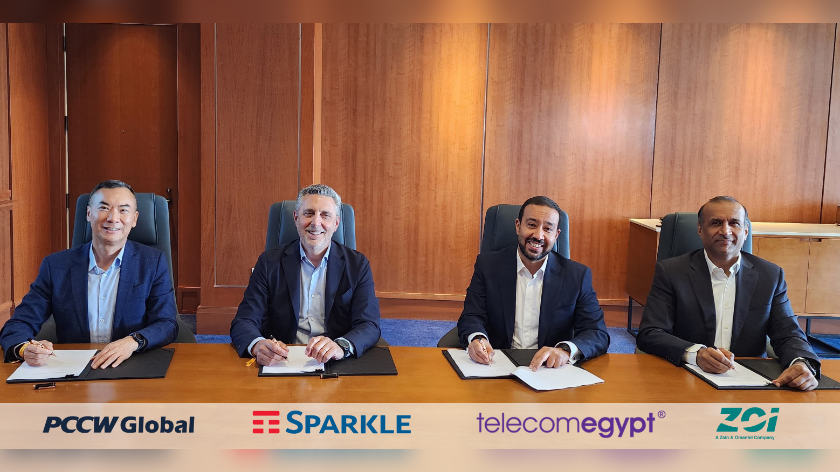
Image credit: SMW6 Consirtium via submarinenetworks.com

Asia-Africa-Europe-2

Asia-Africa-Europe 2

PCCW Global, Sparkle, Telecom Egypt, and Zain Omantel International (ZOI) signed an MoU in June 2025 to build the Africa-Aisa-Europe-2 system, connecting Hong Kong and Singapore to Italy. Building on the Africa-Asia-Europe-1 system inaugurated in 2017, AAE02 integrates terrestrial and subsea elements, covering critical terrestrial corridors across Thailand, the Arabian Peninsula, and Egypt and offering additional links between Europe and these markets.